Commercial Cleaning in Streatham
If you run a business in Streatham, you already know how much first impressions matter. A clean reception, tidy workspace, fresh washrooms, and well-kept communal areas can make a real difference to staff wellbeing, client confidence, and the day-to-day smooth running of your premises. Commercial Cleaning in Streatham is about more than keeping things looking neat; it is about creating a professional environment that supports productivity, hygiene, and trust.
Streatham is a busy part of South London with a wide mix of properties and business settings. Along the high road you will find retail units, salons, cafés, offices, consultancies, studios, and service-led businesses. In and around the area there are also schools, medical practices, estate agencies, shared offices, hospitality venues, and managed residential blocks that all have different cleaning needs. A local commercial cleaning service understands these differences and can shape the work around your opening hours, building layout, and access restrictions.
Whether you are looking for regular office cleaning, a one-off deep clean, washroom maintenance, after-builders cleaning, or support for a busy customer-facing site, it helps to work with a team that knows Streatham well. Local knowledge matters when there are parking challenges, narrow access points, shared entrances, and tight turnaround times. This page explains what commercial cleaning can include, how it works, what affects pricing, and why local businesses often prefer a nearby team they can rely on.
Why Streatham Businesses Need Flexible Cleaning Support

Commercial premises in Streatham vary a lot from one street to the next. A small office above a parade of shops will have different needs from a restaurant with late-night service or a shared workspace with multiple tenants. That is why commercial cleaning services in Streatham need to be flexible. The best arrangements are practical, consistent, and easy to fit around how your business actually operates.
For many local customers, the challenge is not just getting the premises cleaned, but getting it cleaned at the right time. Some businesses need early-morning cleaning before staff arrive. Others need evening or weekend visits once customers have left. In places where space is limited, cleaning also needs to be efficient and discreet, especially if you are working around deliveries, meetings, trading hours, or shared access.
A reliable cleaning schedule helps reduce dust, clutter, and hygiene issues before they become a problem. It also supports a more professional atmosphere for employees and visitors. In customer-facing environments, spotless floors, polished touchpoints, and well-maintained washrooms can shape how people feel about your business long before they speak to anyone.
What Commercial Cleaning Can Include
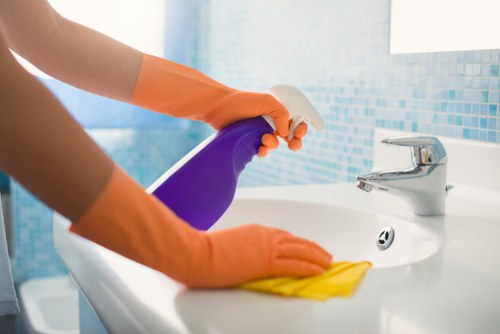
Every business is different, so the service should be tailored rather than fixed. A good commercial cleaning in Streatham arrangement can be built around your property type, footfall, and cleaning priorities. Some sites need daily upkeep, while others need weekly or periodic support focused on key areas.
Typical tasks can include:
- Vacuuming and mopping floors
- Dusting desks, ledges, fittings, and reachable surfaces
- Cleaning entrances, reception areas, and waiting spaces
- Emptying bins and replacing liners
- Sanitising touchpoints such as handles, switches, and railings
- Washroom cleaning and replenishment checks
- Kitchen and staff room cleaning
- Cleaning internal glass, mirrors, and partitions
- Spot-cleaning marks from walls, doors, and surfaces
- Light janitorial duties and general tidying
Some premises may also need specialist services such as carpet cleaning, hard floor care, deep cleaning, post-works cleaning, or periodic upholstery refreshes. In a busy commercial space, the aim is usually to keep everything looking consistently cared for rather than waiting for conditions to become visibly dirty.
If your site includes shared areas, it may also be worth arranging regular attention for stairwells, corridors, lifts, entry mats, and communal touchpoints. These areas often see the most traffic and can quickly show signs of wear if they are not maintained properly.
Types of Commercial Premises We Often Clean in Streatham

Streatham has a broad mix of commercial properties, and each one comes with its own cleaning demands. Business owners and site managers often want a service that understands the realities of operating in a busy London district where parking can be limited and access may need to be coordinated carefully.
Common premises include:
- Offices and studios – from small professional offices to shared workspaces
- Retail shops – including convenience stores, boutiques, and specialist outlets
- Hospitality venues – cafés, restaurants, bars, takeaways, and food service spaces
- Medical and wellness settings – clinics, therapy rooms, salons, and treatment spaces
- Education and training spaces – classrooms, learning centres, and tutoring facilities
- Managed residential blocks – communal areas, entrances, hallways, and shared facilities
- Small industrial or storage units – where dust control and floor care are important
In Streatham Hill, Streatham Common, and the wider surrounding area, many buildings are a mixture of older properties and newer developments. That can mean varied floor types, mixed surface finishes, and access points that require care. A local cleaning team is more likely to be comfortable working with these practical details and adapting accordingly.
For businesses near busy roads, foot traffic can bring in more dirt and debris. For upstairs offices or converted buildings, stair access and entrance upkeep may matter just as much as internal cleaning. A sensible service looks at the whole environment, not only the visible work areas.
Why Choose a Local Team for Commercial Cleaning in Streatham?
There are plenty of reasons local businesses prefer a nearby team. First, a local provider is easier to schedule around the demands of Streatham’s roads, parking, and building access. When cleaners already know the area, they are better prepared for loading restrictions, side-street access, busy commuter periods, and the sort of shared entrance arrangements common in mixed-use properties.
Second, local services tend to be more responsive. If your business has a sudden event, a property inspection, a last-minute presentation, or an unexpected spill, a local cleaning team is often better placed to help quickly. That matters when a clean and presentable environment is part of your daily operations rather than an occasional concern.
Third, a local approach makes it easier to build a cleaning plan that suits your actual site. In Streatham, premises can range from compact shop units to larger offices, converted houses, and multi-occupancy buildings. A cleaning team that works in the area regularly is more likely to understand where effort should be focused and how to work efficiently without disrupting business.
How the Service Usually Works

When businesses enquire about commercial cleaning services, they are usually looking for clarity. They want to know what happens next, what the service covers, and how the work fits into their day. A straightforward process makes everything easier from the start.
Most arrangements begin with an initial discussion about your property, your priorities, and your preferred timings. This is where you can explain whether you need daily cleaning, weekly visits, a one-off deep clean, or a mixed plan. It is also the time to mention any sensitive areas, access rules, security procedures, or surfaces that need special care.
After that, a cleaning plan is usually built around your requirements. That may include the frequency of visits, the list of tasks, the areas to focus on, and any materials or equipment that should be used. In some cases, the plan might need to change depending on the season, staffing levels, or business activity. For example, a hospitality venue may need extra attention on weekends, while an office may need heavier focus on kitchens and washrooms during the working week.
What to expect during a regular visit
On a typical cleaning visit, the team will work through the agreed list in a logical order. This often starts with waste removal and touchpoint cleaning before moving on to dusting, floor care, washrooms, and any specialist tasks. The aim is to keep the space consistent and usable without interrupting daily operations.
Depending on the arrangement, a regular visit may include:
- Entry and access checks
- General tidying and bin emptying
- Surface cleaning and sanitising
- Floor vacuuming, sweeping, or mopping
- Kitchen and washroom cleaning
- Final checks before departure
For many clients, the main benefit is peace of mind. Once the routine is established, the business can focus on customers, staff, and operations while the premises stay in good order.
What Makes Commercial Cleaning Different from Domestic Cleaning?

Commercial spaces have different standards, traffic levels, and hygiene expectations from homes. They may be used by many people each day, which means they accumulate dirt faster and need more structured upkeep. They may also have regulatory, safety, or customer-facing demands that require consistency and attention to detail.
A domestic clean often focuses on comfort and routine household maintenance. Commercial cleaning, by contrast, often needs to support business operations, presentation, and duty of care. Offices need clear desks and clean shared areas. Retail units need spotless floors and welcoming entrances. Food-led businesses need especially careful attention to hygiene-sensitive areas. Shared buildings need common parts to stay clean and safe for different users.
Professional commercial cleaners also need to work around different surfaces and materials, such as glass partitions, reception desks, laminate floors, tiles, carpets, stainless steel, and washroom fixtures. The right products and methods matter because using the wrong approach can damage finishes or leave a poor result. A well-run service balances cleanliness with care for the building itself.
In Streatham, where many businesses operate in compact or multi-use premises, the difference between domestic and commercial cleaning becomes even more noticeable. A structured service can make a large impact on how a site looks and feels, especially in spaces where customers, suppliers, tenants, or patients pass through daily.
Key Benefits for Local Businesses
Investing in commercial cleaning can support your business in several practical ways. It is not only about appearance, although that is certainly important. It can also help create a healthier, more organised, and more efficient working environment.
- Better presentation for visitors, clients, and customers
- Improved workplace hygiene in high-touch and shared areas
- Reduced clutter and mess that can affect productivity
- More professional atmosphere across receptions, offices, and customer spaces
- Flexible scheduling to suit opening hours and site access
- Less pressure on staff who should be focused on their core roles
- More consistent upkeep than ad hoc cleaning alone
For businesses with client meetings, appointments, or regular footfall, these benefits can be especially important. Clean premises suggest care and organisation. They also help staff feel more comfortable in their workspace, which can have a real effect on morale.
If your business is based in or around Streatham and you want a more dependable way to manage cleaning, it is worth arranging a service that fits your specific routine rather than forcing your business around a rigid schedule.
Common Cleaning Challenges in Streatham Properties
Working locally means understanding the day-to-day realities of the area. Many Streatham businesses operate in buildings with limited on-site parking, shared entrances, older staircases, or narrow service access. Some premises sit on busy roads where dirt and dust build up faster, while others are in converted residential buildings where noise and timing need to be carefully considered.
Common challenges include:
- Limited parking close to the property
- Restricted loading or unloading space
- Shared corridors and entrances
- Cleaning around customers or staff without disruption
- Keeping glass, flooring, and touchpoints presentable in busy areas
- Managing cleaning schedules in buildings with different users or tenancy arrangements
These challenges are not unusual, but they do mean that the right local cleaning team should be practical and adaptable. The cleaner the communication and planning, the easier it is to maintain standards without causing inconvenience.
Access and parking considerations
In parts of Streatham, time spent finding parking or navigating access issues can affect how smoothly a visit runs. For that reason, it helps when cleaning is arranged by a team familiar with the local streets and property layouts. Clear instructions on entry, keys or fob procedures, alarm systems, and waste disposal arrangements can all make the service more efficient.
Good planning saves time and helps ensure the cleaning is completed properly, especially for sites where visits must be completed before customers arrive or after trading has ended.
How to Prepare Your Business for a Cleaning Visit
You do not need to do a lot before the cleaners arrive, but a few simple steps can make the visit smoother and more effective. Preparation helps the team work efficiently and reduces the chance of delays or missed areas.
- Remove personal items from desks and surfaces where possible
- Secure sensitive documents and valuables
- Let the cleaner know about any areas that should not be touched
- Provide access details in advance if needed
- Point out priority zones such as reception, washrooms, or customer-facing rooms
- Move fragile items if they could get in the way
- Share any site rules about alarms, locks, or entry procedures
If the premises are busy throughout the day, it may also help to agree on a regular routine so staff know what to expect. This can reduce interruptions and make the whole process feel more seamless.
Before the first visit
For the initial clean, it is worth walking through the property and identifying the areas that need the most attention. Some clients want to start with a deep clean before moving onto regular maintenance. Others want to begin with a standard routine and add extra services later if needed. Either approach can work well, as long as expectations are clear from the outset.
Pricing Factors for Commercial Cleaning
Because every site is different, commercial cleaning prices are usually shaped by several practical factors rather than a single fixed rate. That is often a good thing, because it means the work can be tailored to what your business actually needs instead of paying for unnecessary extras.
Factors that commonly affect pricing include:
- The size of the premises
- The type of business and level of footfall
- How often cleaning is needed
- The tasks included in the cleaning plan
- Whether specialist equipment or products are required
- The condition of the property at the start of service
- Access requirements, timing, and any security procedures
For example, a small office needing weekly upkeep will usually have a very different cleaning plan from a busy hospitality venue requiring frequent attention to customer areas, washrooms, and floors. A site with carpets and glass partitions may need different treatment from a premises with hard flooring and more compact working areas.
The most useful approach is to request a quote based on the actual premises and service scope. That way, the cleaning plan can be built around your business, your schedule, and your budget priorities.
Areas Covered Around Streatham
Businesses looking for commercial cleaning in Streatham are often spread across a wider local area rather than a single street. A nearby cleaning team may cover not only central Streatham, but also surrounding neighbourhoods and nearby commercial pockets where local companies, practices, and managed buildings need regular care.
Areas commonly associated with Streatham business activity include:
- Streatham Hill
- Streatham Common
- Streatham Vale
- Norbury
- Tooting Bec
- Balham
- West Norwood
- Crystal Palace vicinity
If your premises sit close to the border of one of these areas, it can still make sense to use a local service. A nearby team can usually reach you more easily and may already be working in the surrounding streets, which can simplify scheduling.
Why Regular Cleaning Is Better Than Occasional Catch-Up Work
It is easy for cleaning to slip down the list when a business is busy, but waiting until a space looks tired or untidy often makes the job harder. Regular cleaning helps prevent the build-up of grime, dust, and odours. It also reduces the need for large-scale catch-up work later on.
A routine service usually means fewer surprises. Floors stay easier to maintain, washrooms remain more presentable, and reception areas are less likely to become neglected. For customer-facing premises, this consistency is especially valuable. People notice when a business is cared for, even if they do not say it out loud.
Consistency builds confidence for staff and visitors alike. It also supports better use of time because the cleaning is handled in a planned way rather than added as an afterthought.
When a deep clean may be useful
There are times when a one-off deep clean is a smart choice, such as after refurbishment, before a reopening, after tenant changes, or when the premises have not had proper maintenance for a while. Deep cleaning can reset the space before regular upkeep takes over. It is especially useful in kitchens, washrooms, high-traffic areas, and buildings that have been closed for a period.
FAQs About Commercial Cleaning in Streatham
How often should my business be cleaned?
That depends on the type of property, how many people use it, and what kind of work takes place there. Some offices need daily attention, while smaller premises may only need weekly or fortnightly visits. Busy customer-facing sites often benefit from more frequent cleaning.
Can cleaning be done outside business hours?
Yes, many local businesses prefer early morning, evening, or weekend cleaning to avoid disruption. The timing can usually be arranged around your opening hours and access requirements.
Do I need a deep clean before regular cleaning starts?
Not always, but it can help if the site needs a reset or has not been professionally cleaned for some time. A deep clean may also be useful after building work or before a change in occupancy.
What if my building has shared areas?
Shared entrances, corridors, stairs, and communal spaces can absolutely be included. These areas often need special attention because they are used by multiple people and can show wear quickly.
Can you clean around tenants, staff, or customers?
Yes, but the schedule and method need to be planned carefully. The best approach depends on the layout of the property, the level of activity, and any areas that must remain undisturbed.
What should I ask before booking?
You may want to ask what tasks are included, how access is handled, whether cleaning can be scheduled around your hours, and how the service can be adjusted if your needs change.
Book a Local Cleaning Service That Fits Your Business
If you are comparing options for Commercial Cleaning in Streatham, focus on practicality, reliability, and local understanding. A service should be built around your building, your schedule, and the standards your business needs to maintain every day. Whether you manage an office, shop, salon, practice, venue, or shared building, a tailored cleaning arrangement can make life easier for everyone using the premises.
Local businesses often get the best results from a team that understands Streatham’s mix of property types, traffic patterns, and access challenges. That local knowledge can make the service smoother, more efficient, and better suited to real working conditions.
Contact us today to discuss your requirements, request a free quote, or book your service now. If you want dependable, professional cleaning support for your premises in Streatham, a tailored plan is the best place to start.